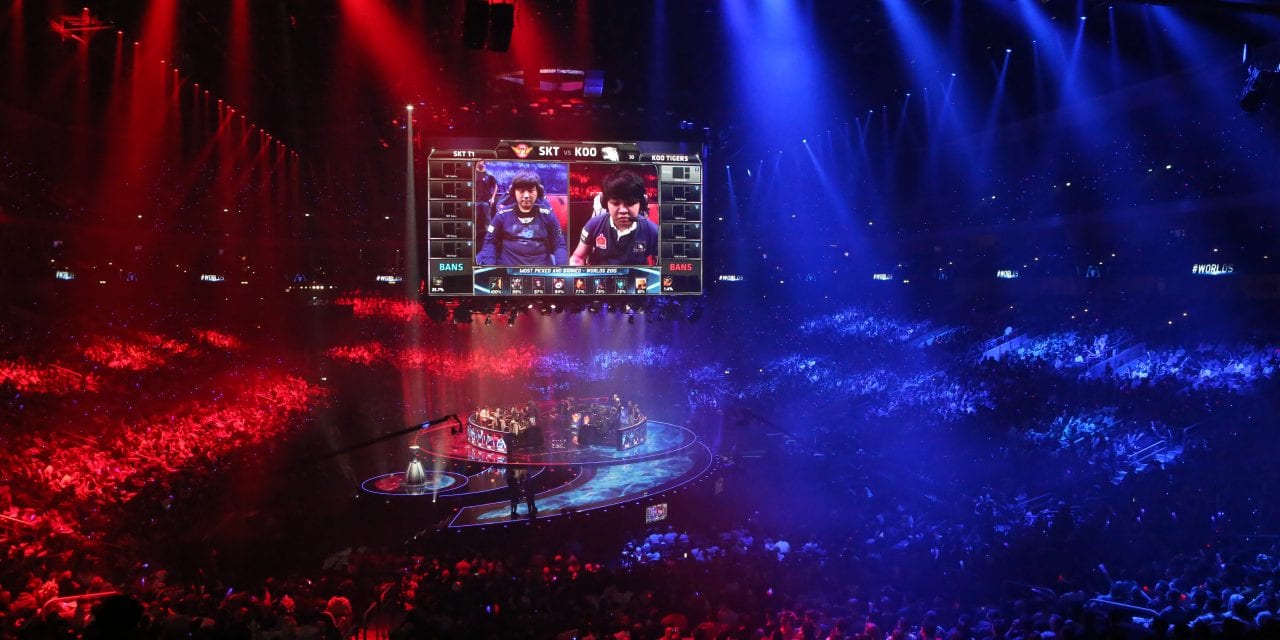
It’s no secret that Asia is the largest eSports market, with China having the largest industry by number of gamers. Over 600 million Chinese citizens, or around over half of the country’s population, participate in mobile, console, and PC gaming.
However, other Asian countries are just as dedicated to gaming. Of course we might immediately think of South Korea, where it’s joked that children are born in gaming cafes, but Southeast Asia region has been establishing itself as a solid force in esport gaming.
Esports in Southeast Asia
Back in 2015, Newzoo reported that the “Big Six” countries in Southeast Asia for eSports were Philippines, Thailand, Vietnam, Indonesia, Malaysia, and Singapore. Of all the SEA countries, these countries accounted for 99% of the region’s eSports revenue.
Southeast Asian countries have numerous advantages, but also obstacles, when it comes to entering the global eSports scene. In countries like Singapore and the Philippines, English is already an official language. This allows for a deeper penetration of western media and eSports than China or other non-English speaking Asian countries, at least insofar as Filipinos and Singaporeans consuming eSports culture beyond the sphere of Asia.
On the other hand, Southeast Asia, with the exception of Singapore, lagged behind in economic development and growth for a long time. Some may even still refer to the Philippines as being a third-world country, which isn’t exactly true, but there are significant gaps between the lower, middle, and oligarch class, with around 21% of the population below the poverty line.
The United States actually has a poverty population of around 15%, but there is a big difference between being “poor” in America, with a great number of social welfare programs available, compared to being poor in the Philippines, where there aren’t. This creates an obstacle for less-developed ASEAN countries to seriously engage in esports, since gaming hardware, time spent at internet cafes, and even electricity are a luxury. Put it this way – running a minimum 600-watts “gaming computer” 10 hours a day in the Philippines would give a monthly household electric bill equivalent to a good chunk of monthly income.
For those reasons, mobile gaming has been a leading force in ASEAN countries. While Koreans are dedicated to PC games like League of Legends or Starcraft II, ASEAN gamers are hooked on mobile games like Mobile Legends and Clash of Clans. This has actually spurred a massive mobile eSports market in the ASEA region, and when eSports were introduced as a medal sport at the 2019 Southeast Asian Games, three out of the six games were mobile titles.
Esports in Japan
For a long time, the lack of growth in Japanese eSports was blamed on Japan’s strict gambling laws, which outlawed many forms of competition for monetary gain; although some online casinos can be accessed like Casumo Japan. While exceptions were made for major sports, this was never really extended to eSports, which is quite odd as Japan is home of some of the most popular gaming companies – in fact, Japan is literally the epicenter of the fighting-game genre.
Take Capcom for instance, developers of some of the most popular fighting games like Street Fighter, Marvel vs Capcom, and Capcom vs SNK. These fighting games have such a worldwide penetration, with tournaments like Evo hosting some of the biggest fighting game tournaments featuring Capcom titles, and yet Japanese players either wouldn’t compete, or weren’t allowed to keep their cash prize money.
Things have started to change, however, allowing Japan to slowly start catching up with the rest of the globe in eSports, but only very recently. For example, the Japan eSports Union (JESU) created some licenses and regulations in 2018 to get around Japan’s strict gambling laws and allow Japanese players to sidestep legal issues in theory, it’s really quite messy in practice.
With around 67.6M total gamers, and Japan being home to two of the major console companies Nintendo and Sony, Japan is the third largest gaming market in the entire world. Japan also imports a lot of games released for western audiences, but not any of the popular eSports games like League of Legends or CounterStrike.
The Japanese gaming market is a bit difficult to penetrate, as it can sometimes exist within its own eco-bubble, so while part of the problem of eSports rising in Japan may be due to legal issues, it’s also cultural as well.
The future of Esports in Asia
The top game developers in China are Tencent and NetEase, but we’re also seeing the rise of new entrants like Alibaba, Bytedance, and Moonton.
Alibaba invested around $4.2 million dollars to establish a side of the company for gaming, and saw good results with titles like Romance of the Three Kingdoms Strategy Edition, which achieved Top 10 popularity upon its release. Bytedance owns popular app TikTok, and has experimented with mini games in the TikTok app, and acquired several game developers for launching mobile games.
So the overall eSports scene throughout the entire Asia region will be quite varied, with Chinese companies mainly leading the way in development.


- Esport EventsEsports NewsNews
 EVO Las Vegas 2026 lineup has been revealed
December 10, 2025
- Esports NewsNews
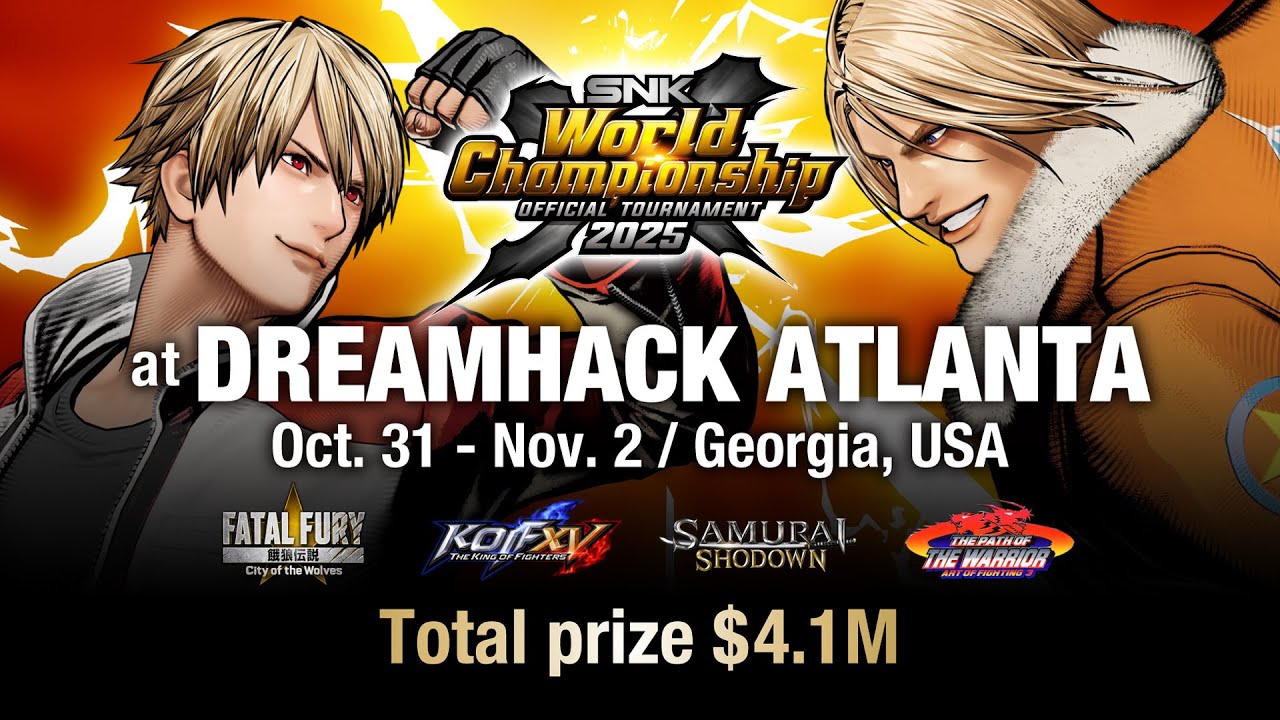
 SNK World Championship 2025 at DreamHack Atlanta includes $4.1M prize pool
September 22, 2025
- Esports News
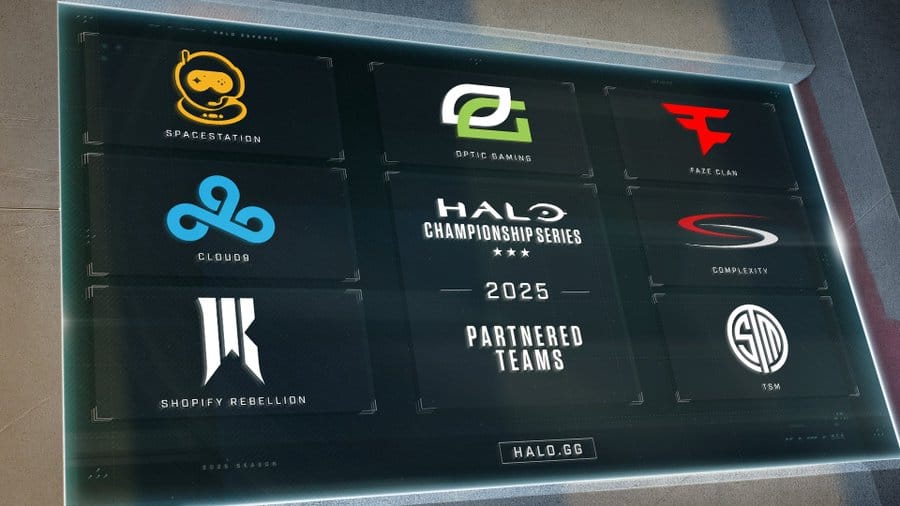
 TSM Joins Halo Championship Series As Latest Partnered Team
February 2, 2025
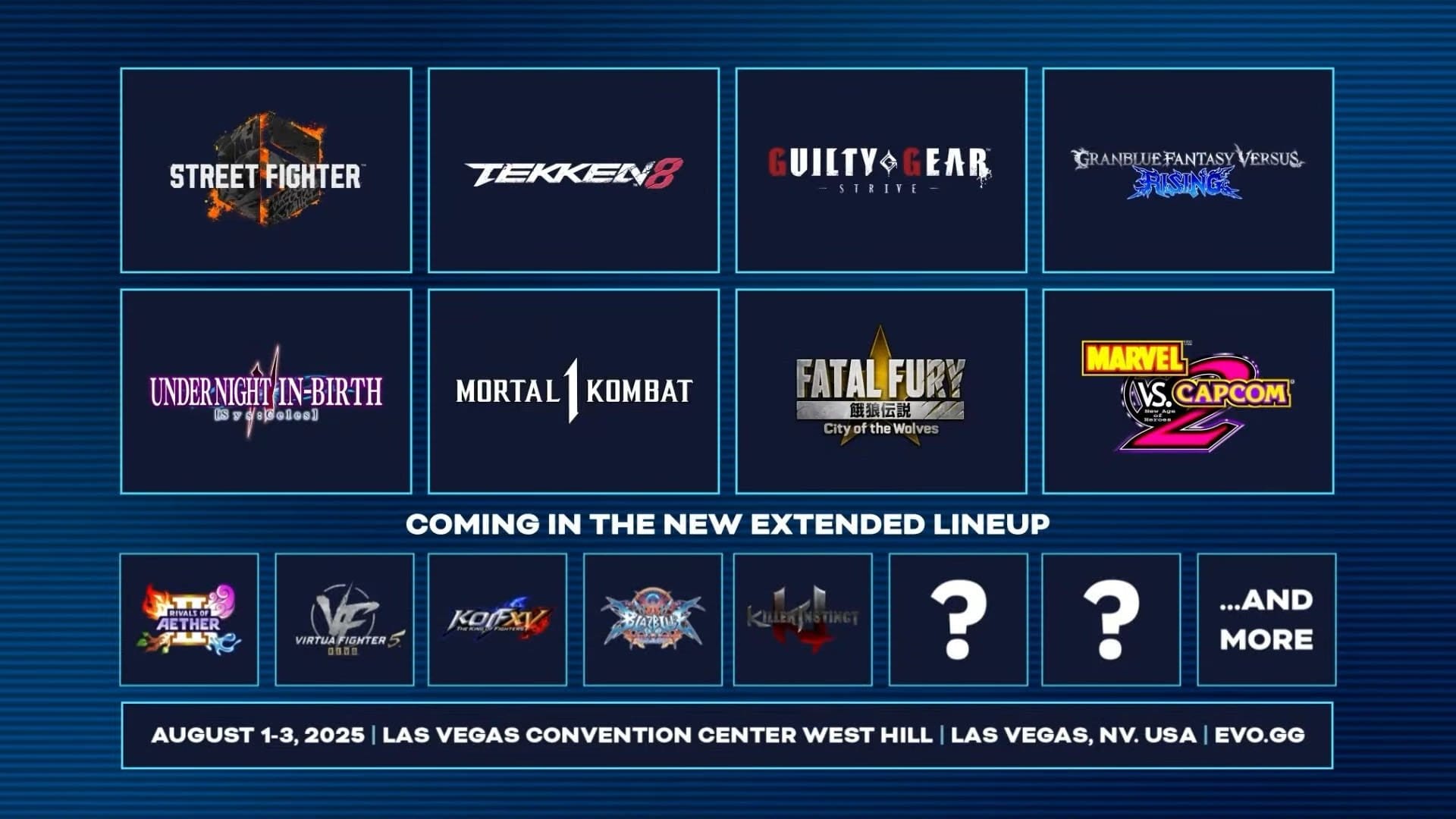
- EsportsEVO 2025 Lineup Features Mortal Kombat 1, Tekken 8, And More
January 15, 2025