Summary
Remedy’s trademark creativity flickers in the margins of FBC: Firebreak but never truly takes center stage. The game’s content is thin, its narrative underdeveloped, and its gameplay loop too derivative to stand out in a crowded genre of cooperative shooters. That being said, there are flashes of fun, but the team needs to put in a lot more work if they want Firebreak to leave a lasting impression down the road.
Developer – Remedy Entertainment
Publisher – Remedy Entertainment
Platforms – PS5 (Reviewed), Xbox Series S|X, PC
Review copy given by publisher
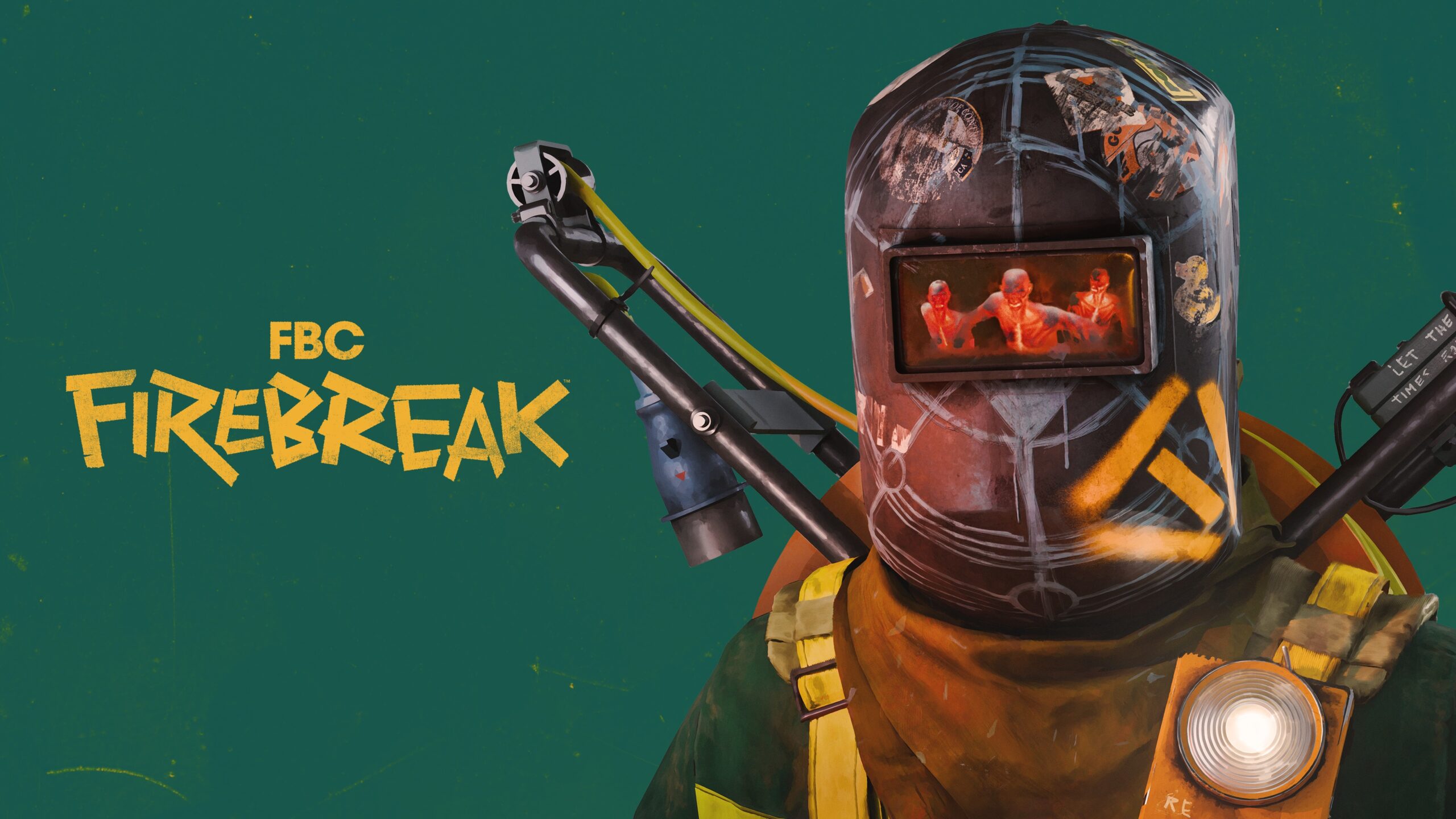
From the creators of narrative-driven single player experiences Control and Alan Wake comes Remedy Entertainment’s first multiplayer game FBC: Firebreak. This three player cooperative shooter takes the studio’s signature brutalist architecture and paranormal oddities and turns the game into a visually striking identity that fans of Remedy’s universe will immediately recognize. Unfortunately, the game’s glaring lack of content and repetitive gameplay loop result in a middling overall experience.
Narratively speaking, Firebreak is a letdown, which is to be somewhat expected coming from a primarily multiplayer focused package. The game takes place within the confines of the Oldest House just weeks after the events of Control, and only provides the barest scaffolding of lore: you are thrust into the role of FBC agents performing routine maintenance jobs to keep chaos at bay. Don’t expect the narrative complexity of Control or the meta-fictional layers of Alan Wake here.
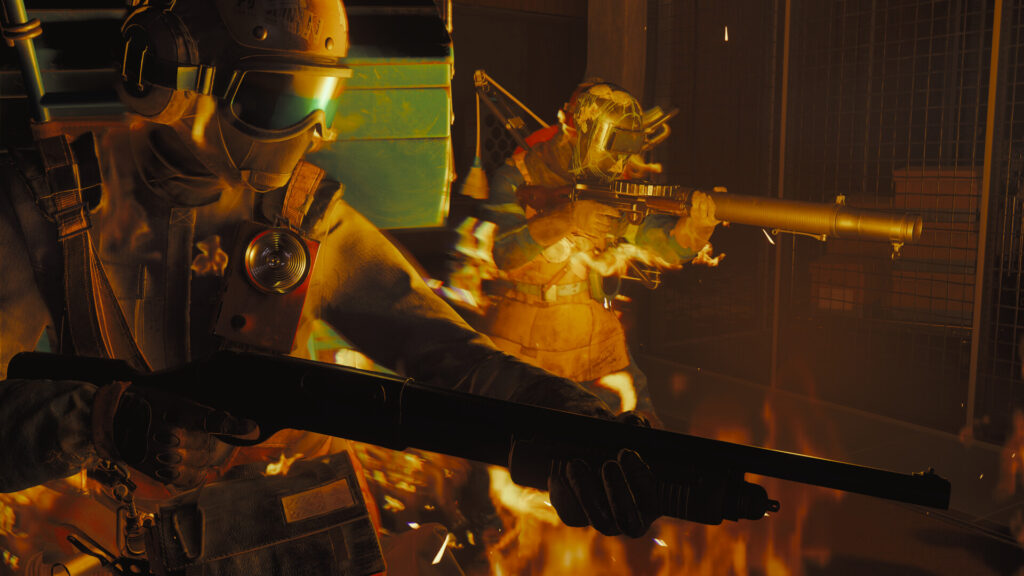
The gameplay loop is built around three-player co-op missions, where you must complete a series of odd jobs, five to be exact. Yup, there are only five missions available at launch (Hot Fix, Paper Chase, Ground Control, Frequency Shift, Freezer Duty), which is an oddly low number for a game that is priced at $40. These jobs often involve extinguishing literal and figurative fires, destroying sticky notes, or carrying objects back to a central cart, all the while fending off Hiss-infected enemies. Completing jobs loots you experience points and currency to unlock new weapons and perks through the Requisitions and Research tabs in the main menu, respectively.
The missions are highly replayable, thanks to customizable difficulty settings, which are threat, clearance, and corruption levels. This alters the intensity, length, and modifiers of each run, keeping the experience fresh for some time before it gets boring. Harder missions yield unique currencies that allow for further upgrades, encouraging you to push into more challenging levels as your loadouts improve. Upping the difficulty of a particular mission makes each of them longer too, as it opens up an additional area of the map you need to clear with new enemy types.
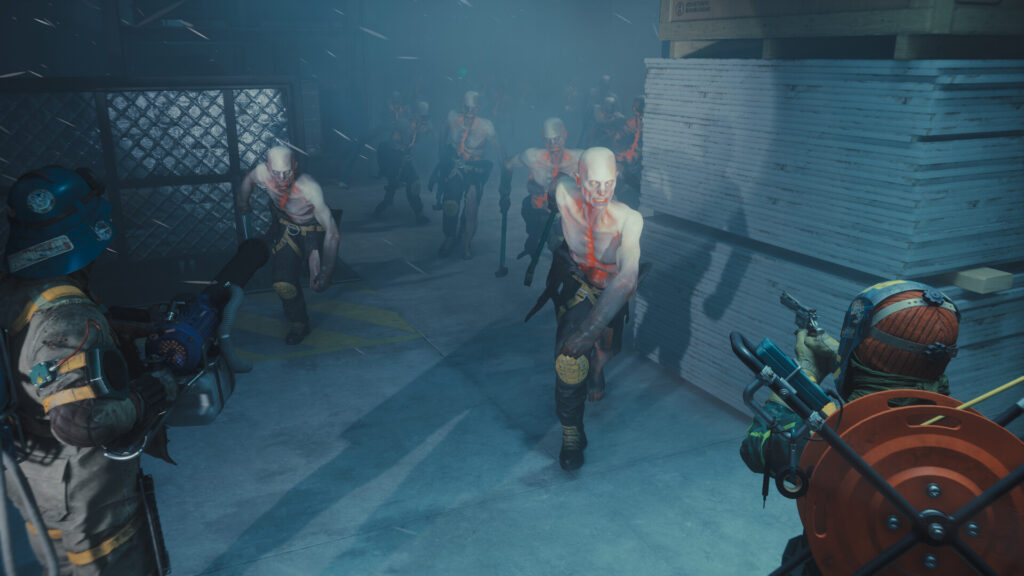
There are a total of three “classes”, or “crisis kits”: the Splash kit for wetting enemies or terrain, the Jump kit for electrocuting things, and the Fix kit for repairs. These kits can be customized with up to nine perk slots, allowing for significant build variety and specialization. The early progression can feel slow and somewhat lifeless, as initial missions lack variety and excitement until you grind for more perks and equipment.
Though the game can be played entirely solo, it is probably the worst possible way to play it. Not only are there no AI bots to fill your team, you also can’t play the game offline. Firebreak introduces status effects as a central mechanic, which then requires immense coordination between teammates, such as drenching enemies with a water gun so that another teammate can electrocute them. But you can’t do any of this if you play by yourself, making moments that require this frustrating. Thankfully, there is cross-platform matchmaking, but no in-game voice chat.
While these systems have creative potential, the execution is lacking. The variety of objectives and enemy types is too limited, and the novelty of the status effects wears thin quickly. The shooting mechanics are solid, but lacks the flair that Remedy is known for. Where are the telekinetic projectiles and reality bending powers that we know exist in this universe? All you get is a generic arsenal of guns and gadgets like grenades.
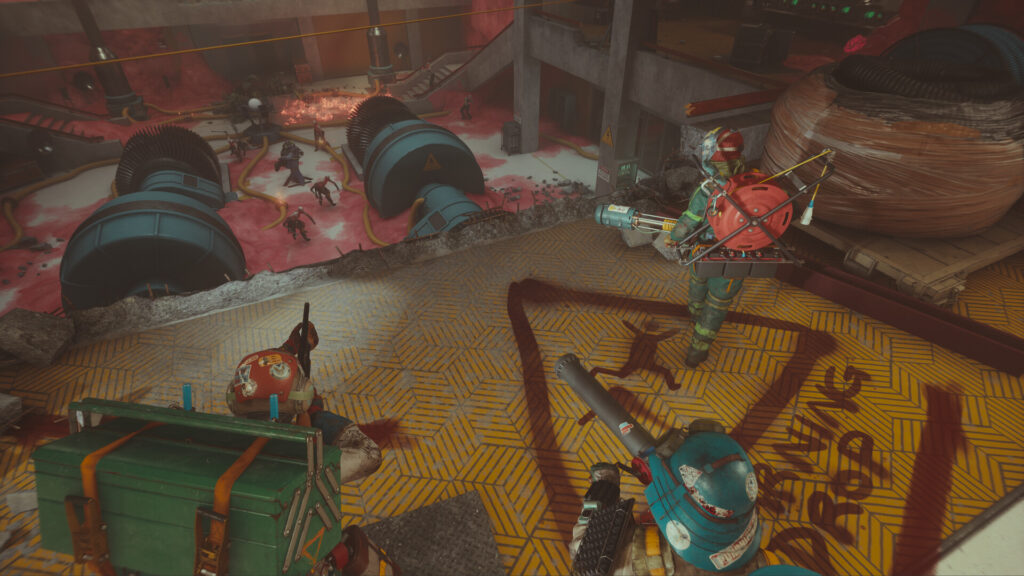
Technically, Firebreak is impressive. On PS5, it targets a stable 60 frames per second at 1440p resolution and comes in at a size of 13.31GB. Remedy has made excellent use of the DualSense controller’s haptics and 3D audio, which add a tactile and immersive layer to the experience. The visuals are crisp, and the environments, while sometimes repetitive, are rendered with care and attention to detail. Performance is mostly smooth, with load times taking only 7-8 seconds to get into a level.
The audio design is another highlight, with punchy gun sounds and atmospheric music that ramps up during climactic moments. However, the distinctive audio cues that made Control’s enemies so memorable are less prominent here, and the overall soundscape, while competent, doesn’t reach the heights of Remedy’s best work.
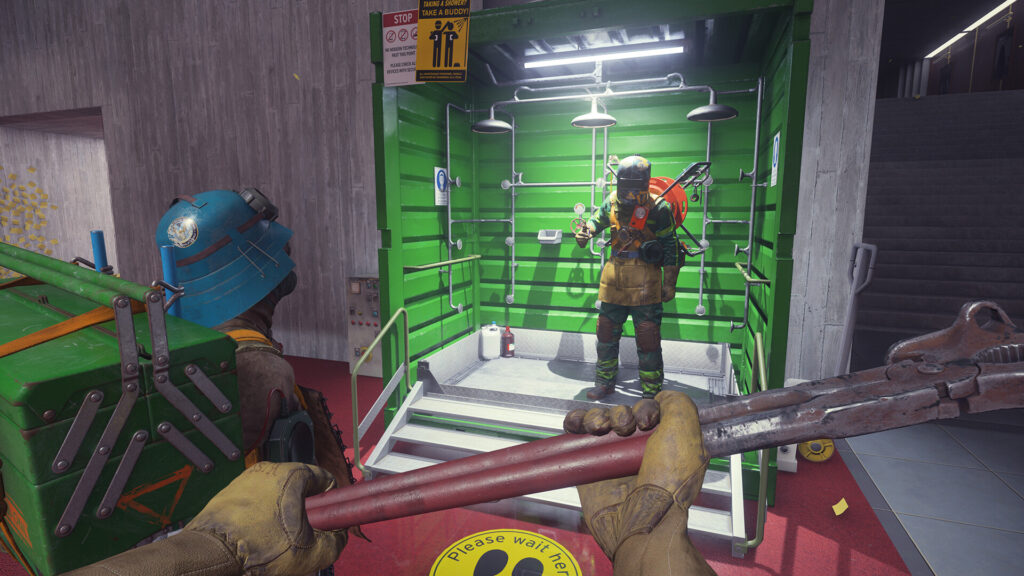
Long term engagement is the main concern that Firebreak needs to think about right now. Remedy has already released a roadmap of upcoming content updates, so that’s a positive sign. If the team can routinely add new jobs, classes, and overall content, then I have faith this game will relish in years of longevity.
Remedy’s trademark creativity flickers in the margins of FBC: Firebreak but never truly takes center stage. The game’s content is thin, its narrative underdeveloped, and its gameplay loop too derivative to stand out in a crowded genre of cooperative shooters. That being said, there are flashes of fun, but the team needs to put in a lot more work if they want Firebreak to leave a lasting impression down the road.