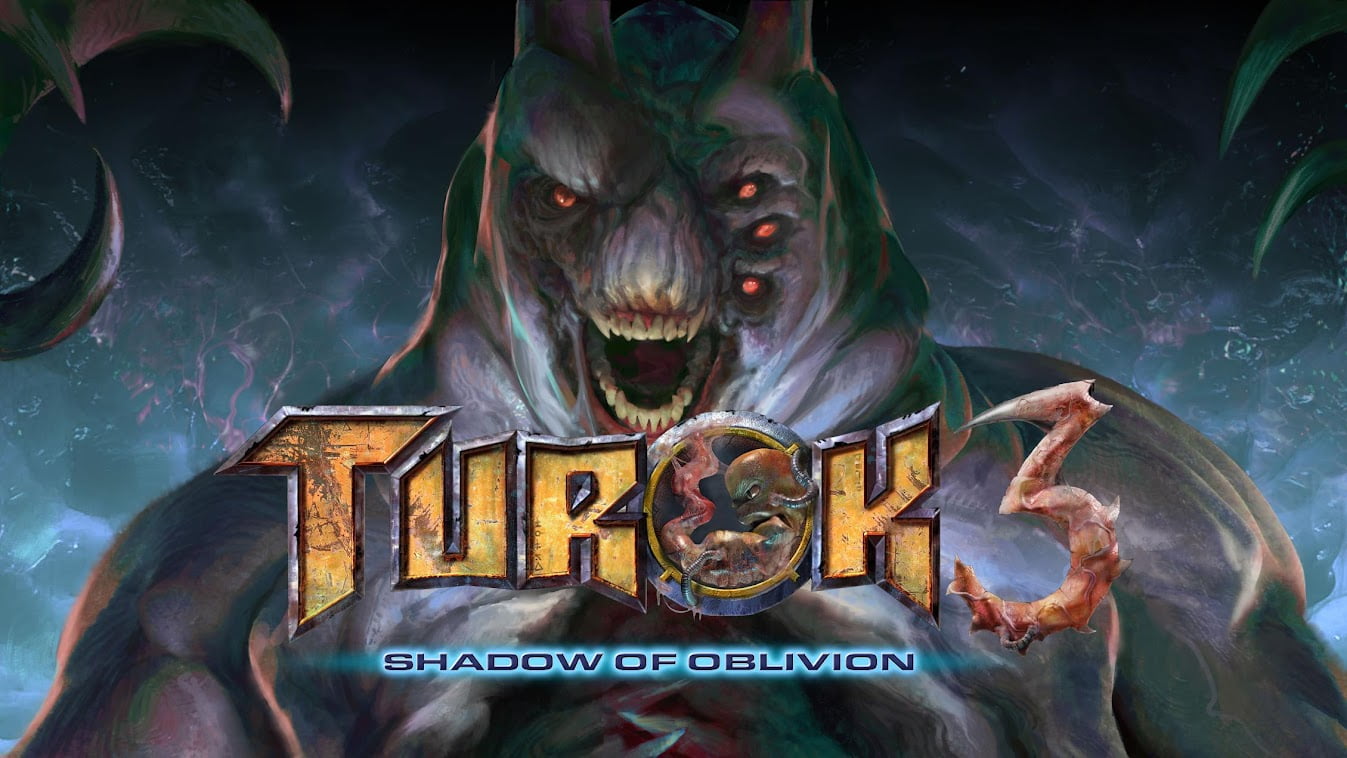
Summary
Turok 3: Shadow of Oblivion Remastered falls short of the high standards set by its predecessors. While the faithful restoration attempts to capture the essence of the original, the lack of significant visual improvements leaves fans questioning whether this remaster was truly necessary. If you're a die-hard Turok enthusiast seeking a trip down memory lane, the remaster might offer some enjoyment. Still, for those expecting a transformative modernization of a classic, Turok 3 Remastered is a missed opportunity, and you should just bring out and dust off the old Nintendo 64.
Developer – Nightdive Studios, Iguana Entertainment
Publisher – Nightdive Studios
Platforms – Xbox One , Xbox Series S|X,PS4/5 , Nintendo Switch , PC (Reviewed)
Review copy given by Publisher
Turok 3 Shadow of Oblivion Remastered, the latest installment in Nightdive Studios’ remastered trilogy, attempts to breathe new life into the classic first-person shooter originally released for the Nintendo 64 in 2000. While the game promises a faithful restoration with upgraded visuals and modern enhancements, the reality falls disappointingly short of expectations.
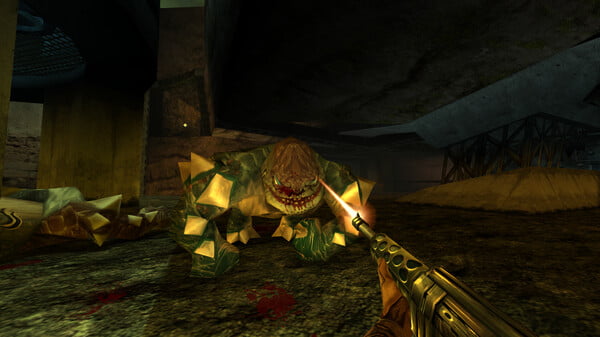
One of the primary selling points of Turok 3 Remastered is its purported visual overhaul. However, upon diving into the remastered world, it becomes evident that the improvements are less than groundbreaking. The upgraded gameplay, high-resolution textures, enhanced lighting, and rendering do little to truly modernize the gaming experience. It feels more like a nominal facelift than a comprehensive remaster, especially when compared to the visual transformations seen in Nightdive Studios’ previous works, Turok and Turok 2: Seeds of Evil, which although still don’t live up to the modernization hype that surrounded them pre-release , are a lot more of a visual upgrade form it’s original release then we see here with Turok 3 Remastered.
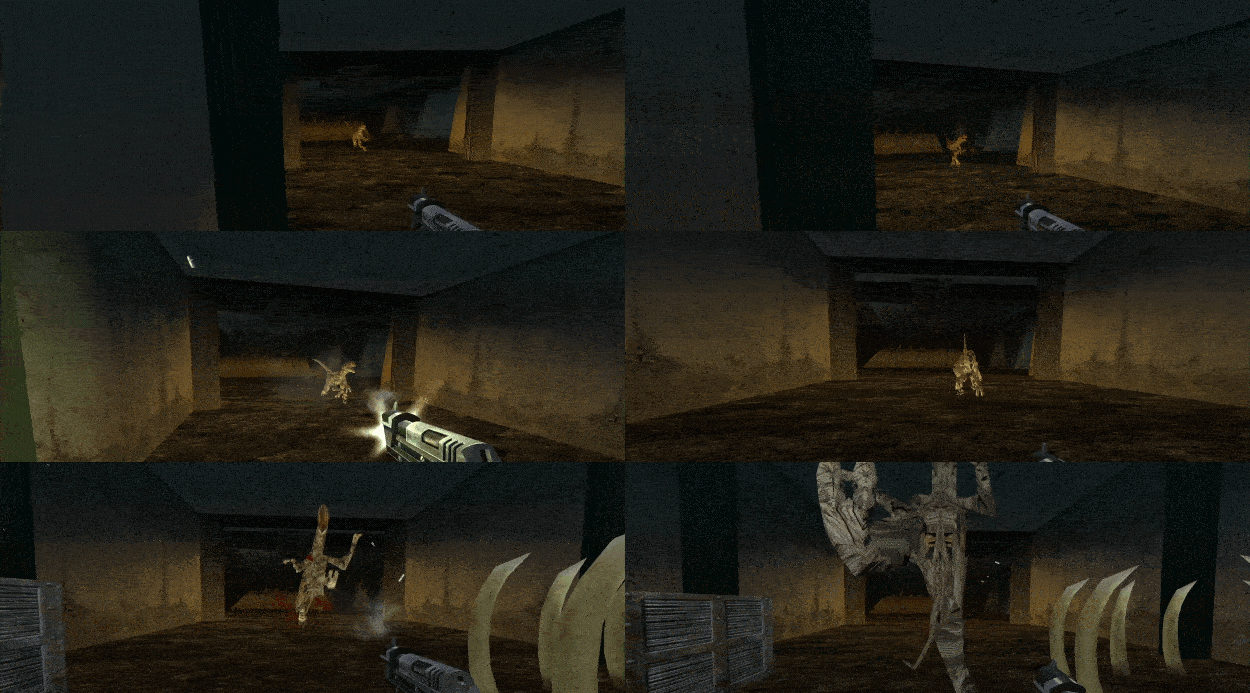
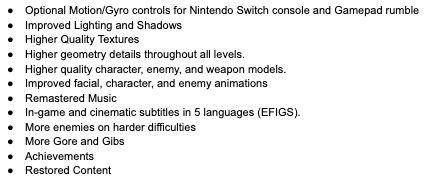
The utilization of Nightdive Studios’ proprietary KEX Engine is meant to deliver a higher tier of visual fidelity. While the promise of up to 4K resolution at 120FPS is enticing, the execution leaves much to be desired. The enhanced rendering features, including anti-aliasing, bloom, ambient occlusion, dynamic shadows, and motion blur, fail to create a significant impact on the overall aesthetics. The remastered environment art and character models, while slightly improved, lack the wow factor that one would expect from a modern remaster.
A notable frustration arises from the Accidental staggered release schedule, particularly the early launch on the Nintendo Switch in Europe and Oceania.
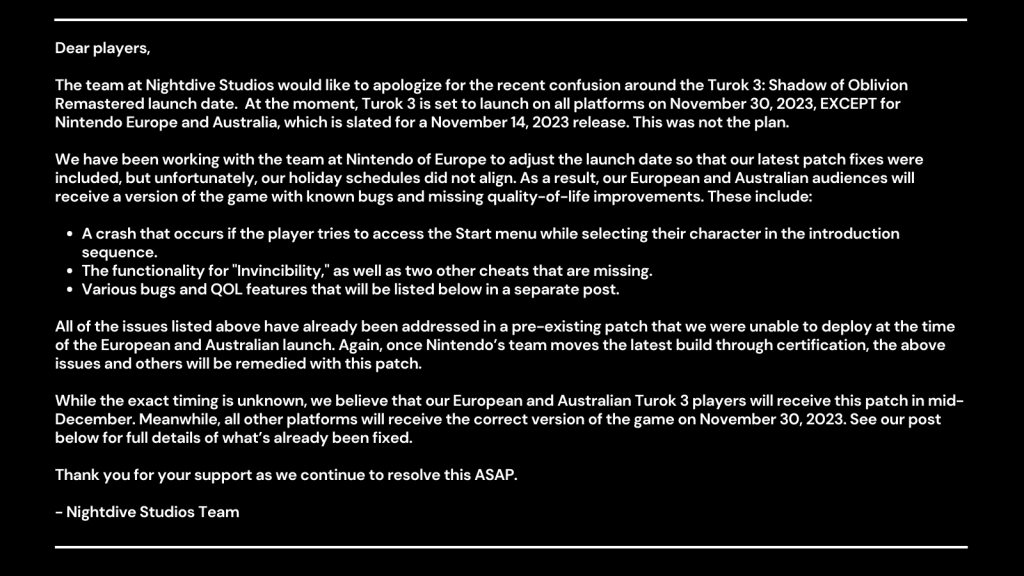
Given the modest improvements in visuals, it’s perplexing why this early release was not adopted as the global launch date for all versions. This decision may have left fans outside these regions feeling like second-class citizens, waiting for an underwhelming remaster that ultimately fails to meet heightened expectations.
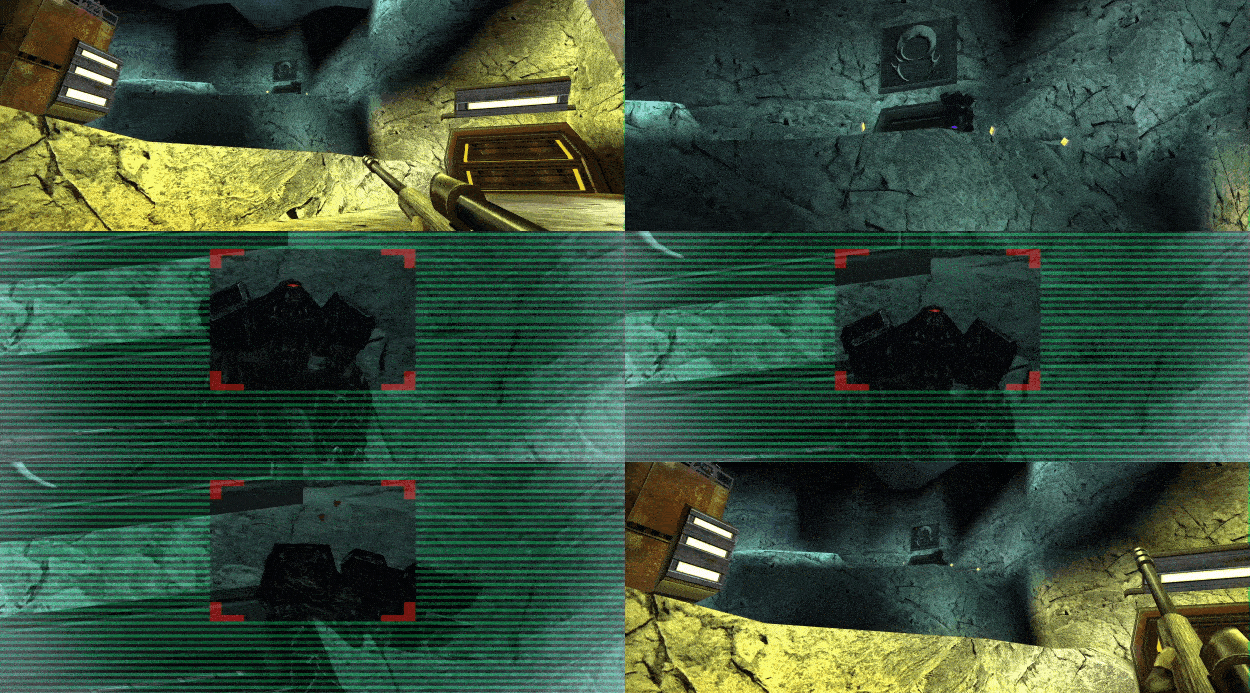
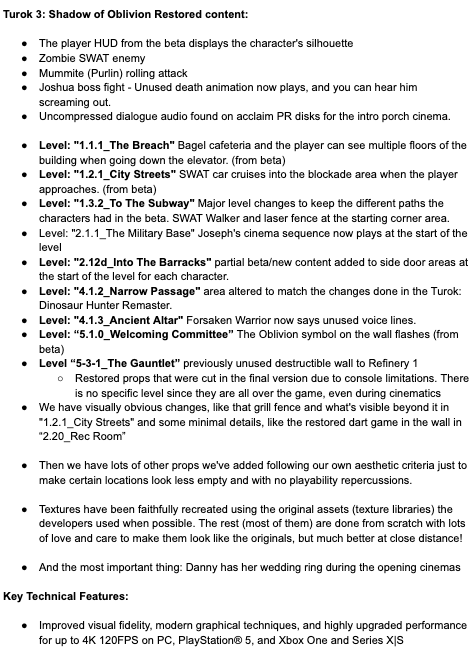
Despite the lackluster visual upgrades, Turok 3 Remastered does come with some positives. The game maintains its nostalgic charm, and the inclusion of brand new Achievements adds a layer of replayability for those seeking an extra challenge. It also brings some fix’s and other small improvements to the game as seen below, However, these elements alone are not enough to salvage the remaster from its overall mediocrity.
In conclusion, Turok 3: Shadow of Oblivion Remastered falls short of the high standards set by its predecessors. While the faithful restoration attempts to capture the essence of the original, the lack of significant visual improvements leaves fans questioning whether this remaster was truly necessary. If you’re a die-hard Turok enthusiast seeking a trip down memory lane, the remaster might offer some enjoyment. Still, for those expecting a transformative modernization of a classic, Turok 3 Remastered is a missed opportunity, and you should just bring out and dust off the old Nintendo 64.