

When it comes to the discussion of remasters or remade titles being delivered to the Nintendo Switch, there is quite the spill of controversy that swallows the entire conversation believe it or not. Although players typically will take the respected title regardless as these newer iterations will offer unique additions or the complete package of downloadable content that shipped following the game’s initial release, some feel that how much the rework costs is unwarranted despite more being offered to the experience essentially.
Before the topic of discussion continues on, I should note this piece will be aimed at Nintendo’s first-party lineup of games, instead of third-party remasters/remakes that have also managed to release on the platform as well. Although games from other companies are a prominent market seller for the Switch this time around, my argument is centered around reoccurring titles from older Nintendo hardware.
Getting back on track now, the conflict that I’ve witnessed users online being very vocal towards addresses that the games alike which have a returning version for the new system are completely unnecessary due to the fact that they have already released on prior consoles. While the ideology of the discussion is understandable to some extent, I urge that there is more to the matter that isn’t as simple that those disputing would believe.
What dictates this argument for those disagreeing is that Nintendo when deciding to have these titles return intends to make a quick buck on preexisting fans of the game or users who are interested in picking the software up for the first time. Even though the concept does seem to fit well into the box for a multi-billion dollar company, it looks that would be too easy to frame the firm for as a plausible ambition. However, what intentions truly are is open for discussion to be Nintendo’s determination to capitalize on opportunity.
Yes, before you get the idea, I know, this seems malicious for Nintendo to ‘take advantage’ of the moment to earn money on already available properties. But, this is where the explanations finally align to my argument. What users online have argued about is regarding titles that initially launched on the preceding Wii U.
Easily associating these titles from the company’s former flagship console instantly brands these games that launched on the hardware to be of lesser value: that releasing on the system magically devalues the software with no other specific reasoning or convincing evidence to say otherwise. To answer the question for those who might have convinced themselves, no, I did not own a Wii U and hold no fanboy/nostalgic value to the console to defend these titles.
But I do own a Nintendo Switch and have played some, but not all, of these “ported” titles. Why I put emphasis on the word is that people would define the games to be a simple copy and paste of the title from one system to the other. But like I already said earlier on in the piece, each returning game does offer something to certain degree that was not available in the base game. But majority of these titles would provide a graphical upgrade, performance boost, and content that either shipped after the game already launched or that was never released for the consumer.
Returning to the argument on Nintendo’s behalf for selling these games at the intended price – while we are all familiar with the Wii U’s market performance compared to the juggernauts handhelds and consoles from before, the Nintendo Switch is a different story in contrast to the 2012-released system. Nintendo this time around managed to capitalize on marketing for the console well on offering a unique product selling a feature that other consoles couldn’t: the ability to play on your television and then take it on the go.
While I can go on for a few more paragraphs about what the Nintendo Switch can do that other competing hardware cannot, I’ll discuss the cons to the system instead. Why? Because despite some of the technological faults that still plagues the system to this day, the Switch sells an enormous amount of units regardless. Such as the battery life which wasn’t tweaked until the SKU was updated more than two years later, or the console’s lacking architecture unable to achieve resolutions even close to 4K (3840px2160p) as other systems do.
And even with these major setbacks that the Xbox One X and even PlayStation 4 Pro can meet for these standards, the Nintendo Switch still holds up to be competition despite the system’s flaws as the hardware is also the inaugural platform for the next generation. This past December, the Nintendo Switch even exceeded the lifetime sales of the Xbox One which released in 2013; attaining this merit in less than half the time that Microsoft’s console has been available.
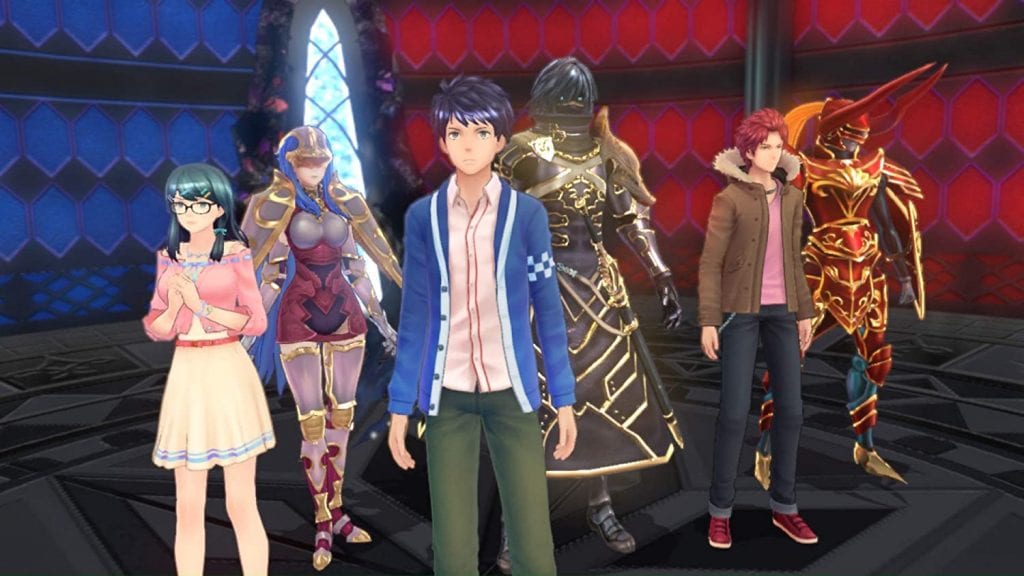
Putting the credibility aside for the console, why Nintendo is launching these returning games to the Switch is due to the opportunity that the Wii U unfortunately did not offer previously. And Nintendo can rightly do so selling these titles at the $59.99 price tag, the “Switch Tax” users refer to this approach as. While these prices might even steep higher than the initial pricing on the Wii U, I already explained why it is justified for the company to do so.
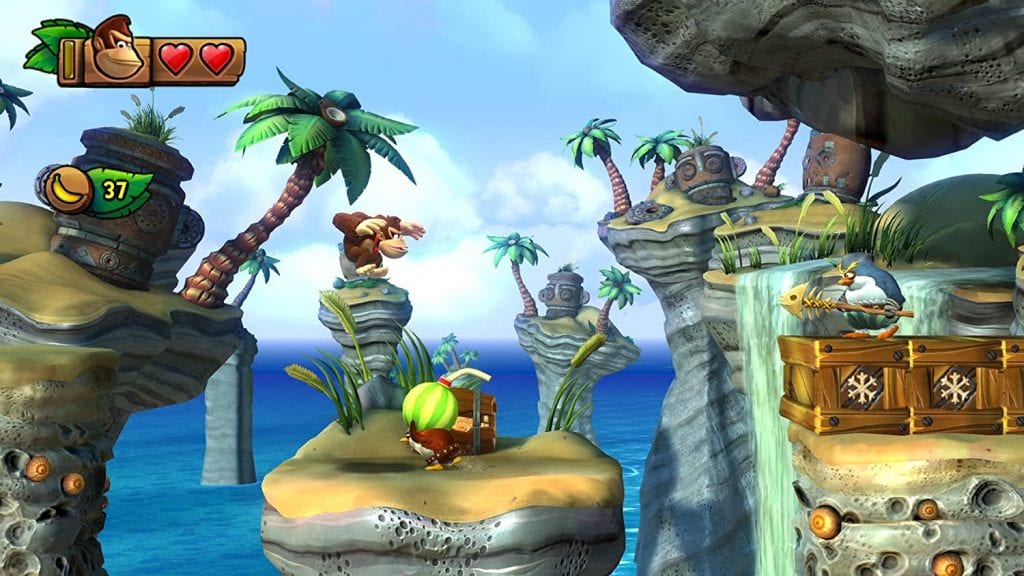
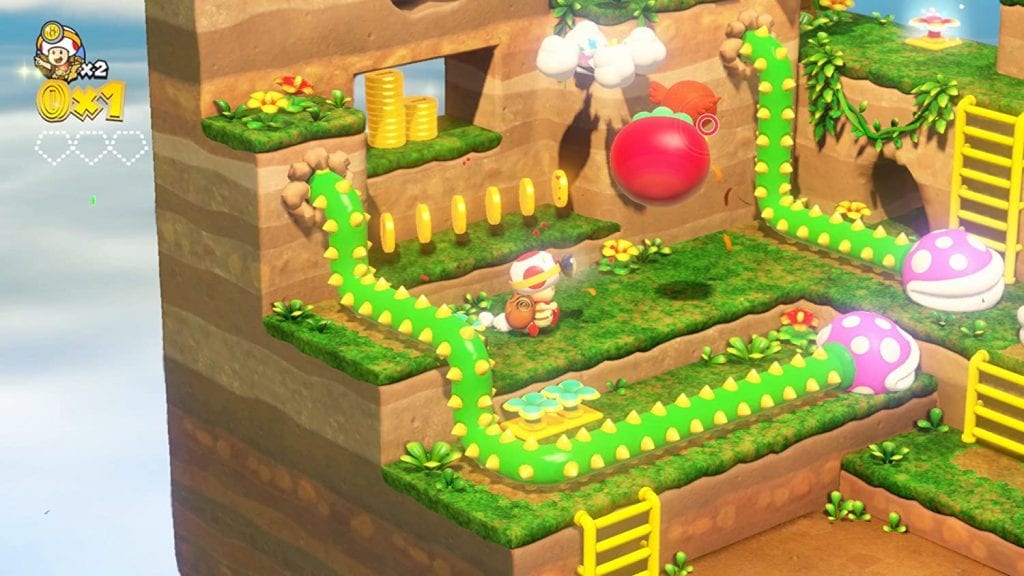
For example, Donkey Kong Country: Tropical Freeze when coming to Nintendo Switch introduced unique control schemes, playable Funky Kong, and the easier Funky Mode for newer players. Bayonetta 2 offered a more suitable frame rate to the player’s liking and shipped with the addition of its 2009 predecessor. Captain Toad: Treasure Tracker provided the additions of new levels and a specialized co-op mode. The list continues on for more games that originated from the Wii U and migrating to Nintendo Switch.
But what makes these titles essentially virtuous to sell at its full retail price is that each offers an over joyous experience worth spending atop of the additional tidbits that the base game is missing on the older hardware. Reflecting on the reception of the three games I referenced alone, they all meet good ratings or over exceeding appraisal for a nearly perfect score.
Even then, the only other backed judgment I can provide is that the consumer truly does not care. While fans who own the respected game already, they will buy it willingly due to the sentimental connection they have with it or simply bite the bullet to own the title on the newer system. Even when it comes to the unfamiliar purchaser, they will acquire the software just from the name alone if it comes to that – already assuming that the price is a standard alike other big budget titles which we are all accustomed to.
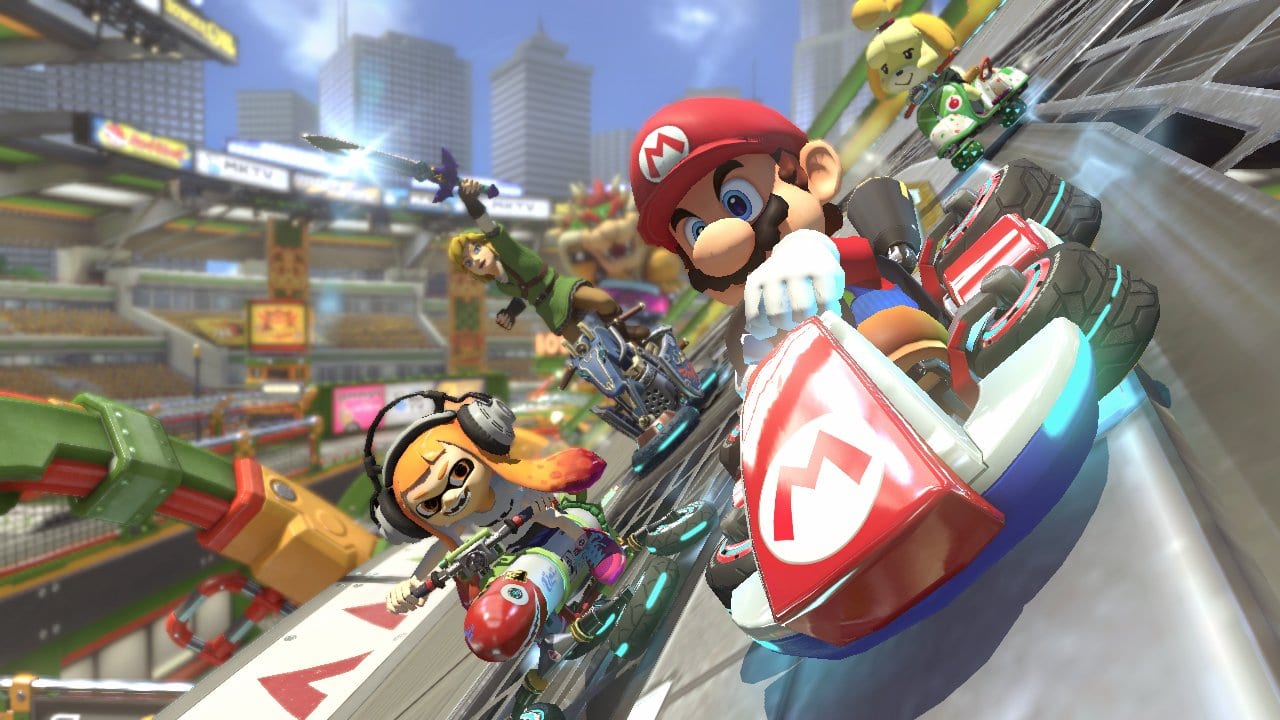
This can be supported by the notorious Mario Kart 8 Deluxe. Despite the game already being the most successful seller for the Wii U, the title continues to dominate on the newer Nintendo Switch. Given a rough estimate, the Wii U version sold a rounded 8.5 million while on the Switch it sold roughly four times that amount according to Nintendo’s calendar 2019 earnings call. The game also ranks the top selling game on Nintendo Switch still in the latest report from the NPD Group.
Turning back to the earnings call from January, Nintendo disclosed that the second leading top seller is Super Smash Bros. Ultimate: while the game is surely a console seller, the title ranks third for February 2020 which might entail the game is still under a few million units still for the time being. But that a Wii U game regardless is on the top nearly three years into the Nintendo Switch’s lifespan, it is remarkable to say the least.
Ultimately I hope you read your way to the end for my take on the matter. As any opinion piece goes, this is only to provide my viewpoint and to hopefully convince more on what I argued against. While not expecting to sway everyone who stumbles upon this, I do hope this will at least make the reader think with more perspective if the topic ever comes up.
Again, I never owned a Wii U console during its lifespan in the previous decade nor do I plan on owning one. But I do, however, own a Nintendo Switch which opened my palette for more titles that I never would have attempted to when limited to my initially preferred platform. This then giving me the opportunity to play said Wii U games which widened my outlook on the console’s catalogue.
Just to up my ante a little more on my reasoning, John Lambert who just penned the “The Best Car Games of the Previous Decade” here on Rectify Gaming also ranked Mario Kart 8 Deluxe to be one of the best racing-centered titles to date. You can read the full piece in the article below:

- Editorial
 Efforts To Protest PlayStation Is Being Overlooked By Sony As Its Digital Future Doesn’t Look To Be Changing
July 10, 2026
- Editorial
 Halo: Campaign Evolved Achievement List Will Be Appreciated By Hardcore Fans
June 16, 2026
- Editorial
 From Epona to the Equestriad: Every Memorable Horse in Nintendo Switch Gaming History
June 13, 2026

- EditorialEfforts To Protest PlayStation Is Being Overlooked By Sony As Its Digital Future Doesn’t Look To Be Changing
July 10, 2026
- EditorialHalo: Campaign Evolved Achievement List Will Be Appreciated By Hardcore Fans
June 16, 2026
- EditorialFrom Epona to the Equestriad: Every Memorable Horse in Nintendo Switch Gaming History
June 13, 2026
- Editorial
 Is GTA 6 Too Big To Fail?
May 21, 2026
